
Welcome to Our Poolax Pool Cleaning & Services Company

A Professional Pest Control Company

Fast Response Across London | Same Day Service Available
Sign Up to get updates & news about us . Get Latest Deals from Walker's Inbox to our mail address.
Welcome to Our Poolax Pool Cleaning & Services Company
Sign Up to get updates & news about us . Get Latest Deals from Walker's Inbox to our mail address.
Phone Number:
(020) 8001 0218Sign Up to get updates & news about us . Get Latest Deals from Walker's Inbox to our mail address.
Call Now – Same Day Service
020 8001 0218
Experts in Pest Control
Domestic & Commercial
All our employees are professionally trained to industry standards

We provide the best services in the industry at value for money
Choosing us ensures you are served by a trained and trusted company
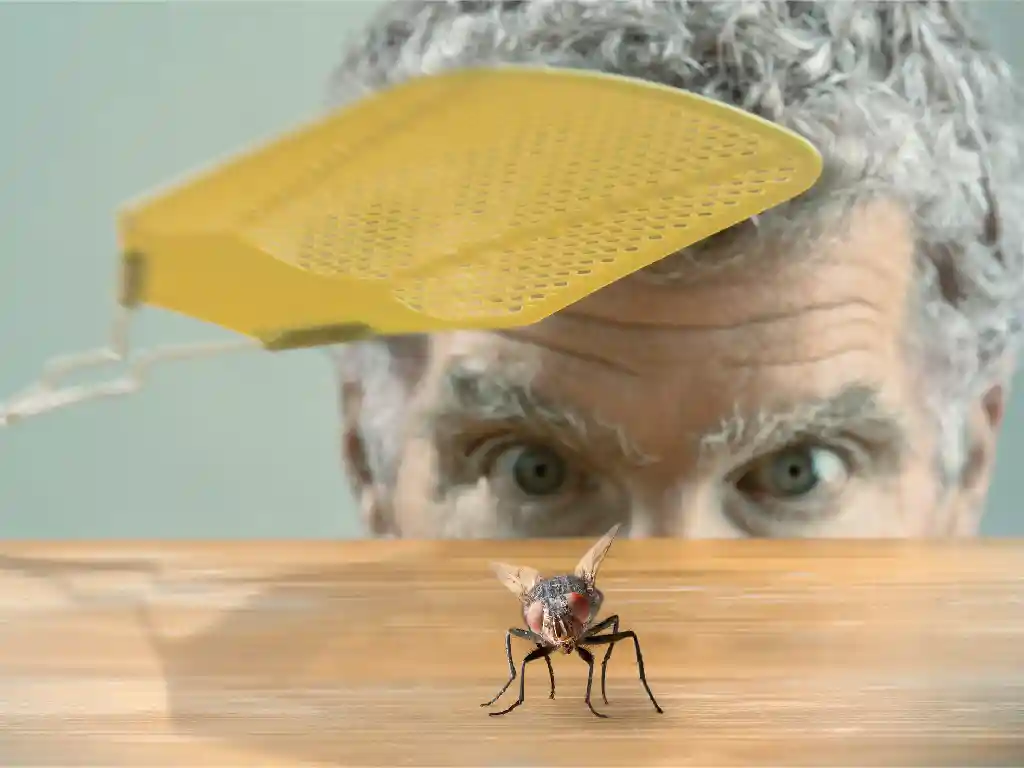
Flies in London are a common sight and pest problem. In fact, flies are a real issue all over the world, especially in urban areas. If you want to get rid of flies properly from your premises then you may want to consider using fly pest control services.
There are many types of fly. Although most do not bite they do spread disease and are unpleasant and irritating. As with a cockroach or rat problem, if you have a food business they will put off your customers, losing you money and damaging your reputation. The fly problem is always worse during the warmer months.
So, how do you know if you have a real problem with flies?
 Posted on Google
 Ayesha Khan27 July 2026
Trustindex verifies that the original source of the review is Google.
Great service by Danish 5 star Had bed bugs was very through used steam and chemical to treat the bedroom also inspected other room in case treatment was needed very professional 100% recommendedPosted on Google Muhtasim 10025 July 2026Danish was very helpful and treated my house very good and I saw pretty much instant results. I definitely recommend these gentlemen, it's worth the money. Thanks a lot!!!Posted on Google
 Agne Vykertiene21 July 2026Danish end Jawid day did exelet jop . In 10 min. Simone dead fox . Day are da beastPosted on Google
 Alan N6 July 2026I used RapidKill Pest Control for a cockroach infestation at a property in Edgware. Danish, who attended the same day, was very polite and helpful, and provided a very thorough treatment using a combination of gels and traps. He has just completed his second follow up visit where it was clear that the treatment plan had been very effective. I would not hestitate to use RapidKill Pest Control again should I ever require their services in the future.Posted on Google
 Tony Wilson26 June 2026We found a fox dead in our pond on a Friday evening. Rapid Kill came out within an hour and removed it for us. Fast. Friendly. Thanks Shahid and Dani!Posted on Google
 Ning Argones22 June 2026Rapid kill pest control doing the best treatment for cockroaches problem.solve our problem quickly. Highly recommended We are very happy from Danish. He do amazing job.Posted on Google
 Anna Shepard18 June 2026Jawed was great. He swiftly found the wasps nest and dealt with it and gave good advice about the aftercare. I recommend him.Posted on Google
 D T17 June 2026Jawed is the bees knees! He came and sorted out the problem with ease. Zero fuss and really effective. ThanksPosted on Google
 Brenda Morrison10 June 2026Danish did an excellent job and explained everything he was putting in place.Posted on Google
 Fastx7 June 2026A big thank you to Jawed, who solved my squirrel issue that had been ongoing for over a year. Previous companies were unable to resolve it, but Jawed identified and fixed the problem quickly and professionally. I really appreciate the excellent service and would highly recommend him. Thank you Alina
The flies that are more likely to be part of a pest problem in London are house flies, cluster flies, drain flies and fruit flies. All these flies are attracted by the smell of food.
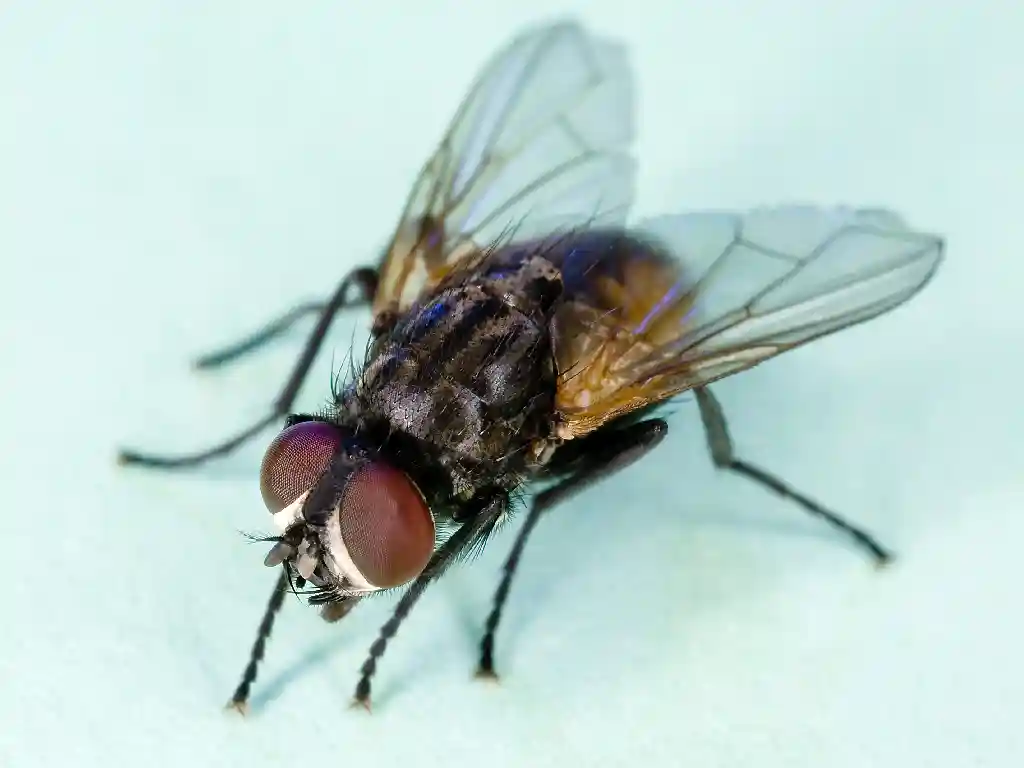
The house fly is grey to black with red eyes. The female house fly lays up to 100 eggs at a time for up to 5 cycles, on decaying and moist matter which hatch into maggots.
Adult flies live for 2 – 4 weeks but can hibernate during winter.
They feed on a variety of liquid and semi-liquid substances. They also can eat solid substances softened by their saliva.
As they travel from different surfaces including excrement and waste to food they spread pathogens and disease.
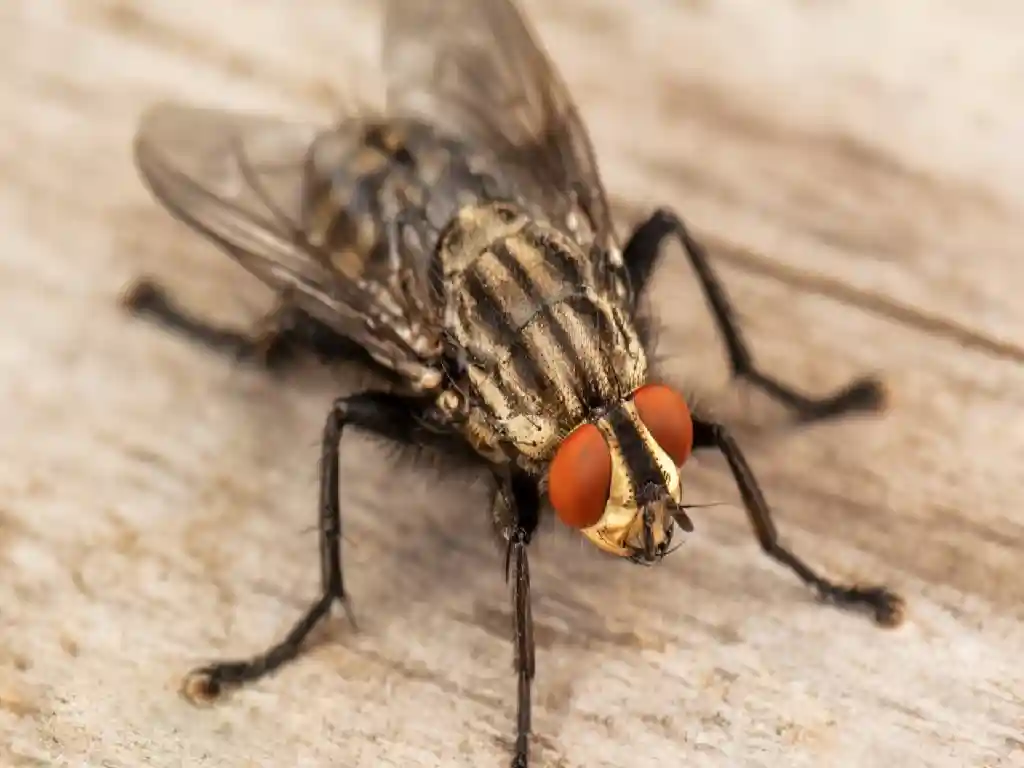
These are also known as Bottle Flies, Carrion Flies or Blow Flies.
These flies appear to have blue, green or black shiny metallic colouring.
The female requires a lot of protein to develop her eggs. It is believed she visits carrion to both feed and lay her eggs.
She can lay up around 150-200 eggs at a time and up to 2,000 throughout her life.
The larvae of most species are scavengers of carrion and dung. The larvae will live in a layer of loose, damp soil and litter.
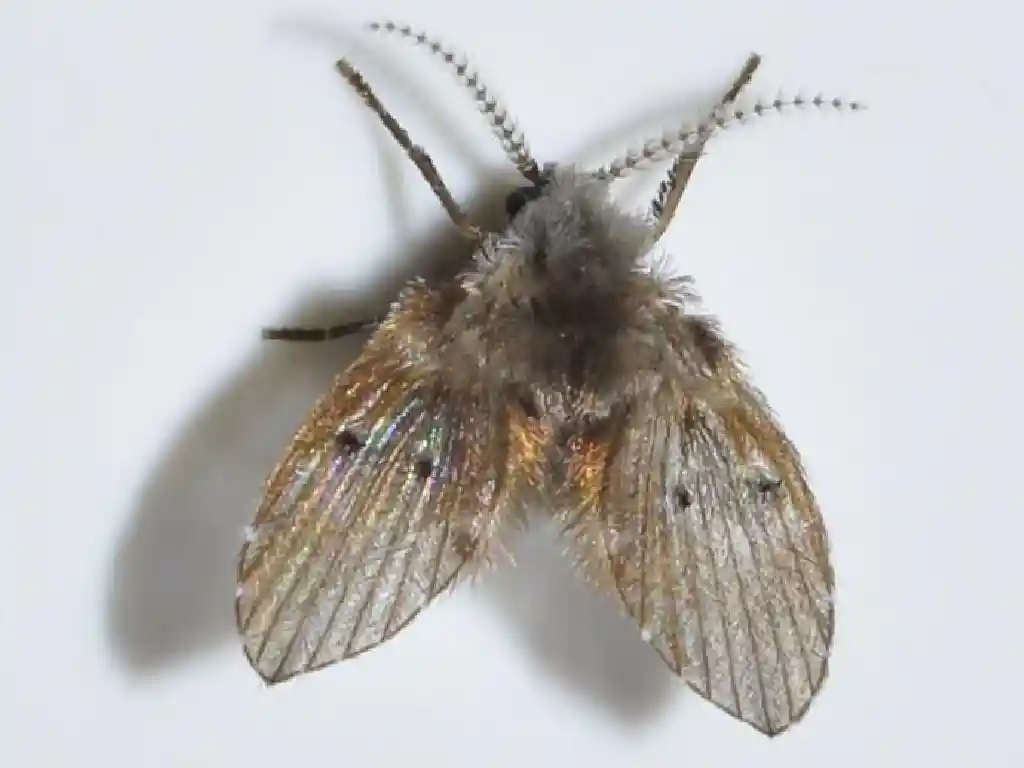
– also known as Sewer Gnats or Filter Flies
Drain flies may be mistaken for small moths as they have furry bodies. They are about 1.5 to 5 mm long with a light grey or tan body.
The larvae live in aquatic sludge-based environments including bathroom sinks and stagnant drains and feed on the slime in the drains. Adult drain flies feed on flower nectar and polluted water.
Although they are relatively harmless they can be a nuisance in large numbers in a house. Like all flies, they are capable of spreading infection as they move from place to place.
– also known as Bar Flies
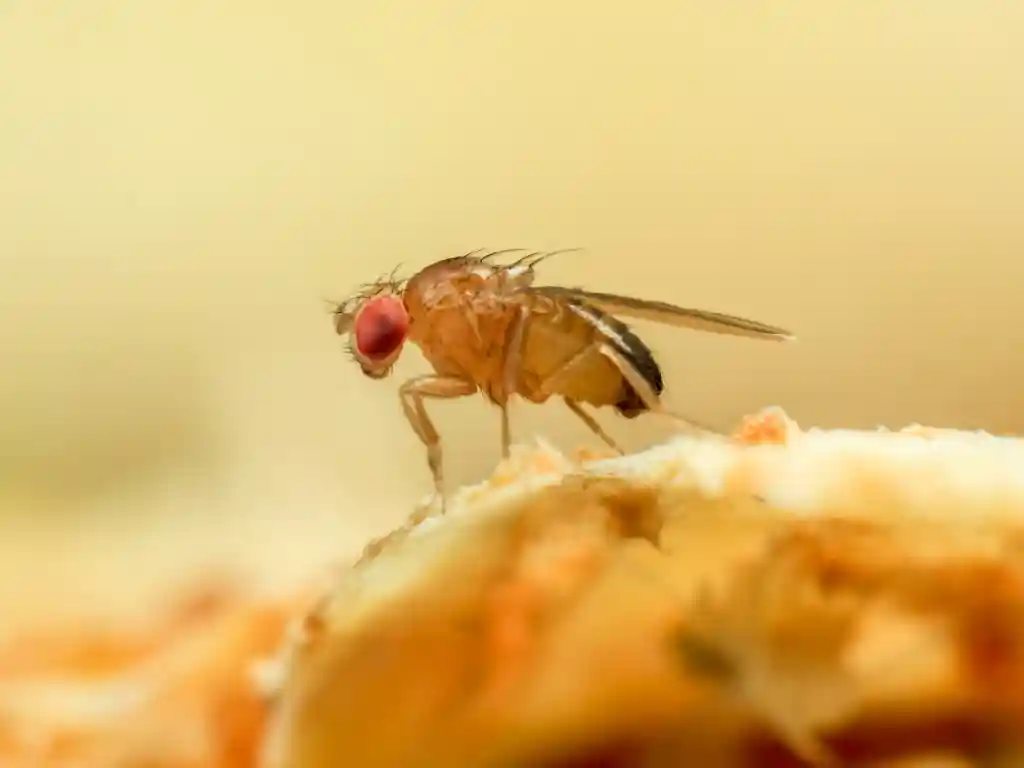
Fruit flies are very small black flies that you may see flying around your fruit bowl. They thrive on high fructose foods like overripe fruit, juices and sweet alcohol (think fruity liqueurs). You may also see them in your compost bin if you have fruit waste in there. The female lays her eggs in the fruit and eating contaminated fruit may cause an upset stomach.
To get rid of flies for good our technician will advise you of any potential risks for re-infestation. In general, we advise the following:
Yes—RapidKill provides same‑day emergency fly pest control across all London boroughs to swiftly tackle active infestations and minimize health risks.
Typical treatments start from £120–£180, varying with infestation severity and property size; we provide a free inspection and tailored quote.
Look for buzzing around kitchens, clusters on surfaces, fly droppings or egg casings, maggots in bins or drains, and musty odours in warm, damp areas.
Flies contaminate food and surfaces with bacteria and pathogens linked to Salmonella, E. coli, cholera, dysentery, and trigger allergies and infections.
We combine species identification with IPM: fogging, residual sprays, traps, electronic fly killers, proofing (screens and sealing), and sanitation advice.
Absolutely. We use professional-grade treatments per UK safety standards. After treatment, areas are safe to re-enter—consult with our technicians for reoccupation times.
Yes—without proofing and cleanliness, flies can return. We include follow-ups, recommend sealing cracks, installing screens, and practicing good hygiene to prevent re-infestation.
Use screens on windows/doors, clear bins promptly, store food securely, use traps (e.g., vinegar or flypaper), and plant repellents like lavender, basil, citronella, mint, or orange peels.
We’re BPCA‑accredited and RSPH Level 2 certified, fully insured, offer emergency response, guaranteed service, and specialize in effective, discreet fly management.
Yes, especially for persistent or large infestations. Professionals diagnose breeding sites, apply targeted treatments, and implement preventative measures for long-term control.