
Welcome to Our Poolax Pool Cleaning & Services Company

A Professional Pest Control Company

Fast Response Across London | Same Day Service Available
Sign Up to get updates & news about us . Get Latest Deals from Walker's Inbox to our mail address.
Welcome to Our Poolax Pool Cleaning & Services Company
Sign Up to get updates & news about us . Get Latest Deals from Walker's Inbox to our mail address.
Phone Number:
(020) 8001 0218Sign Up to get updates & news about us . Get Latest Deals from Walker's Inbox to our mail address.
Call Now – Same Day Service
020 8001 0218
Experts in Pest Control
Domestic & Commercial

All our employees are professionally trained to industry standards

We provide the best services in the industry at value for money
Choosing us ensures you are served by a trained and trusted company
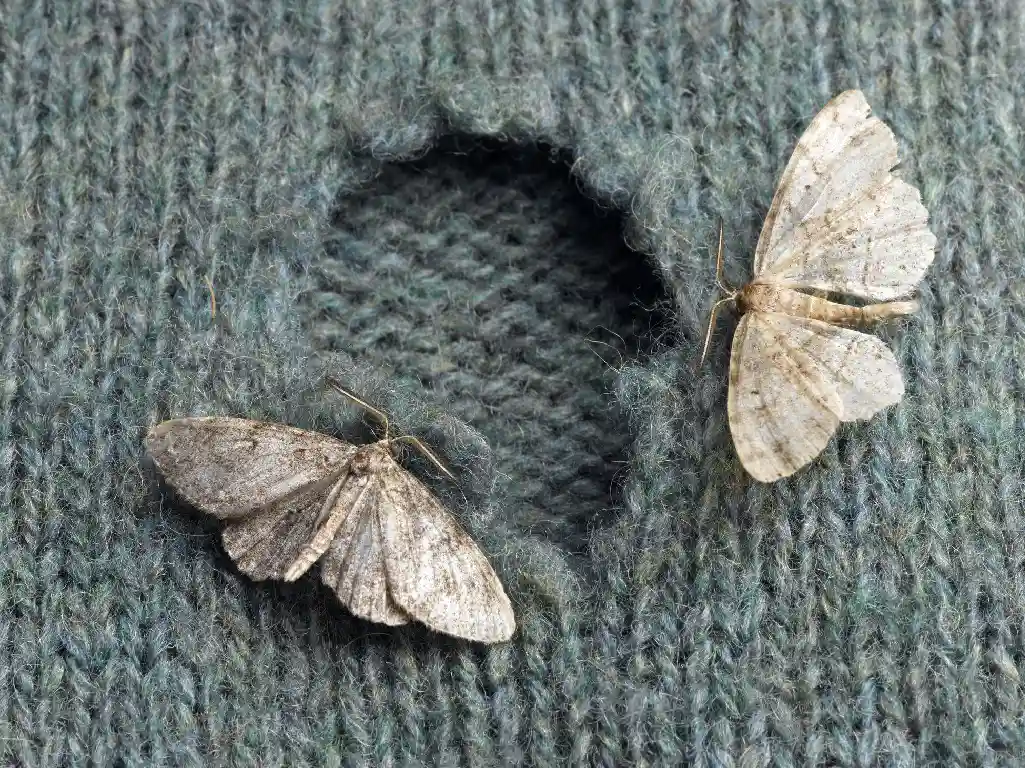
You may have carpet moths or moths eating clothes in your house if you find tell-tale holes in natural fabric items that have been stored away for a while or you find threadbare patches or holes in wool rugs or carpets too.
If you find small caterpillars in your food it is possible you may have food moths. This is likely to be a problem with vegetable origin stored foods, so if you are a food business or store food in bulk this is something you need to watch out for.
So how do you know if you have a carpet moth or food moth problem?
 Posted on Google
 Ayesha Khan27 July 2026
Trustindex verifies that the original source of the review is Google.
Great service by Danish 5 star Had bed bugs was very through used steam and chemical to treat the bedroom also inspected other room in case treatment was needed very professional 100% recommendedPosted on Google Muhtasim 10025 July 2026Danish was very helpful and treated my house very good and I saw pretty much instant results. I definitely recommend these gentlemen, it's worth the money. Thanks a lot!!!Posted on Google
 Agne Vykertiene21 July 2026Danish end Jawid day did exelet jop . In 10 min. Simone dead fox . Day are da beastPosted on Google
 Alan N6 July 2026I used RapidKill Pest Control for a cockroach infestation at a property in Edgware. Danish, who attended the same day, was very polite and helpful, and provided a very thorough treatment using a combination of gels and traps. He has just completed his second follow up visit where it was clear that the treatment plan had been very effective. I would not hestitate to use RapidKill Pest Control again should I ever require their services in the future.Posted on Google
 Tony Wilson26 June 2026We found a fox dead in our pond on a Friday evening. Rapid Kill came out within an hour and removed it for us. Fast. Friendly. Thanks Shahid and Dani!Posted on Google
 Ning Argones22 June 2026Rapid kill pest control doing the best treatment for cockroaches problem.solve our problem quickly. Highly recommended We are very happy from Danish. He do amazing job.Posted on Google
 Anna Shepard18 June 2026Jawed was great. He swiftly found the wasps nest and dealt with it and gave good advice about the aftercare. I recommend him.Posted on Google
 D T17 June 2026Jawed is the bees knees! He came and sorted out the problem with ease. Zero fuss and really effective. ThanksPosted on Google
 Brenda Morrison10 June 2026Danish did an excellent job and explained everything he was putting in place.Posted on Google
 Fastx7 June 2026A big thank you to Jawed, who solved my squirrel issue that had been ongoing for over a year. Previous companies were unable to resolve it, but Jawed identified and fixed the problem quickly and professionally. I really appreciate the excellent service and would highly recommend him. Thank you Alina
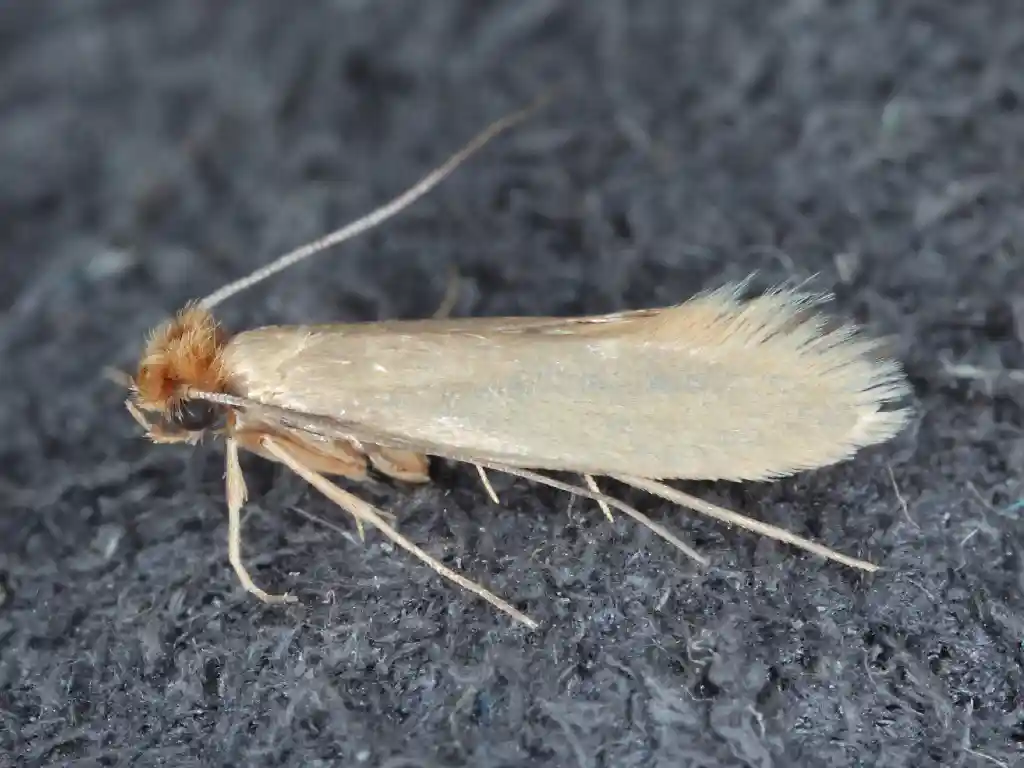
Clothes eating moths and carpet moths are not two different species that have a preference for garments over floor coverings. There are two moths species, the common clothes moth (the webbing moth) and the casemaking clothes moth. However, both of these will eat any keratin containing material. The common clothes moth is just that, more common but both are equally as destructive.
Both species will hide in dark places, resting through the day and coming out during the early evening. The moths also seem poor at identifying people due to bad eyesight.
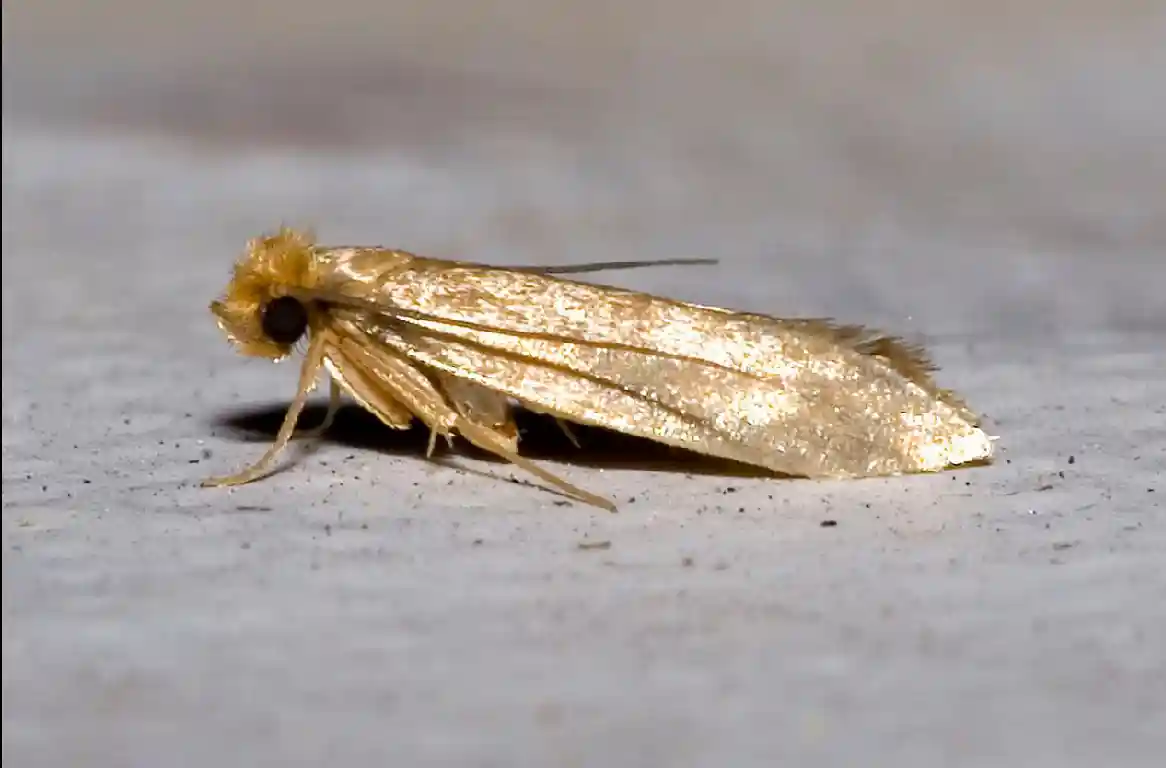
This moth is small, about 6-7 mm in length with a wingspan of around 12-14 mm. It is yellow-brown in colour with a red-orange tuft on its head.
The female lays eggs in a sticky material in groups of between 30 and 200. These eggs are about 1 mm in size, about the size of a pinhead. The eggs take 4 to 10 days to hatch into clothes moth larvae, which start to feed straight away. The caterpillar phase may last between 1 month to 2 years before they spin a cocoon to pupate into adults about 10 to 50 days later.
The moths tend to scuttle around rather than fly and normally live for another 15 to 30 days, normally after egg-laying or mating for females and males respectively.
The casemaking moth is slightly larger in appearance and is silvery-grey to a shiny light brown colour with dark grey hairs on its head. The two key differences are the cocoons are of the casemaking moth are easier to spot as they are made from fibers.
Another difference is that the casemaking moth will also eat other detritus such as cobwebs, birds nests (including the domestic pigeon), stored vegetables and wallpaper. This makes it more of a challenge to remove.
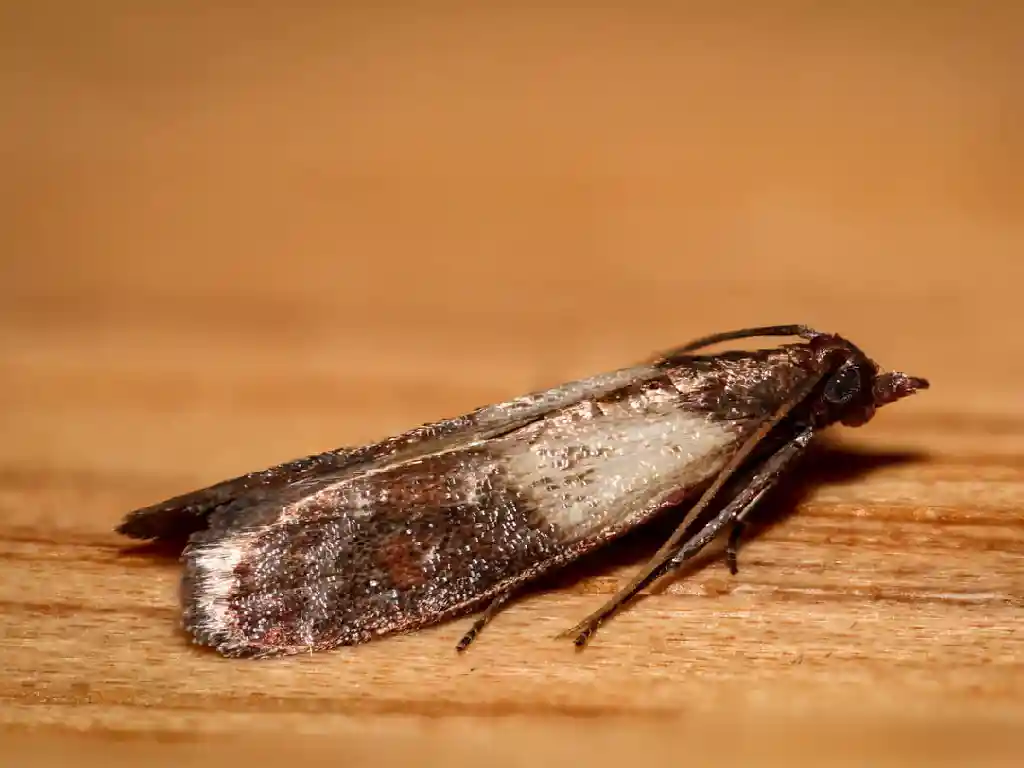
There are several varieties of food moths. Each have a wing span of between 10-18 mm and all tend to eat dried fruit, cereals, oilseeds and nuts. Some, in particular, the Warehouse Moth, also infest fish, spices, cocoa and tobacco.
The most common is the Indian Meal Moth, which originates from South America. The female will produce up to 500 eggs and these hatch in around two weeks. The food moth larvae then move over the food covering it in their larval silk as they progress.
Depending on the environmental conditions the next phase of their development can take from two weeks to around nine months. The larvae leave the food and spin cocoons. They can hide in the fabric of the building until they emerge up to a moth later as adults.
Apart from the Indian Meal Moth the Warehouse Moth, Tropical Warehouse Moth and the Mediterranean Flour Moth also can cause a problem with stored food in the UK.
If you want to get rid of food moths or carpet moths you are advised to get professional help from a moth pest control service. RapidKill Pest Control provides excellent moth pest control in London, wherever you live or work in the area.
Yes. RapidKill provides professional moth pest control across London, using Integrated Pest Management (IPM) to remove infestations safely and effectively.
Pricing varies based on infestation type (clothes, carpet, pantry) and scale. We offer a free assessment and bespoke quote after inspecting affected areas.
Look for holes in natural fabrics, carpet damage, small maggot-like larvae, silk cases or cocoons along wardrobes and carpets, and sightings of crawling or flying moths.
We identify species, then apply IPM strategies: vacuuming, pheromone traps, targeted insecticides, heat/freeze or fumigation, plus proofing and lengthy follow-ups.
Yes. Treatments are professionally applied, with safe preparation/removal procedures, and areas are only deemed safe to re-enter when fully dry and secure.
Typically, 3 visits spaced 4 weeks apart, ensuring eggs, larvae, and adults are eradicated and monitored through traps and inspections.
Yes—unless prevention is implemented. We include advice on storing fabrics in airtight containers, regular vacuuming, sealing cracks, and ongoing monitoring.
Wash or dry‑clean clothes at ≥60 °C before storage, use airtight containers, vacuum edges regularly, use pheromone traps, and consider natural deterrents like cedar or lavender sachets.
Yes. We offer pantry moth control—including removing infested goods, deep cleaning, pheromone traps, and preventing re‑entry through proofing and storage advice.
We’re BPCA‑accredited, RSPH Level 2 certified, fully insured, and experienced across home and commercial settings—delivering safe, compliant, and guaranteed moth control in London.